
Introduction to Mental Health in the Firefighting Community
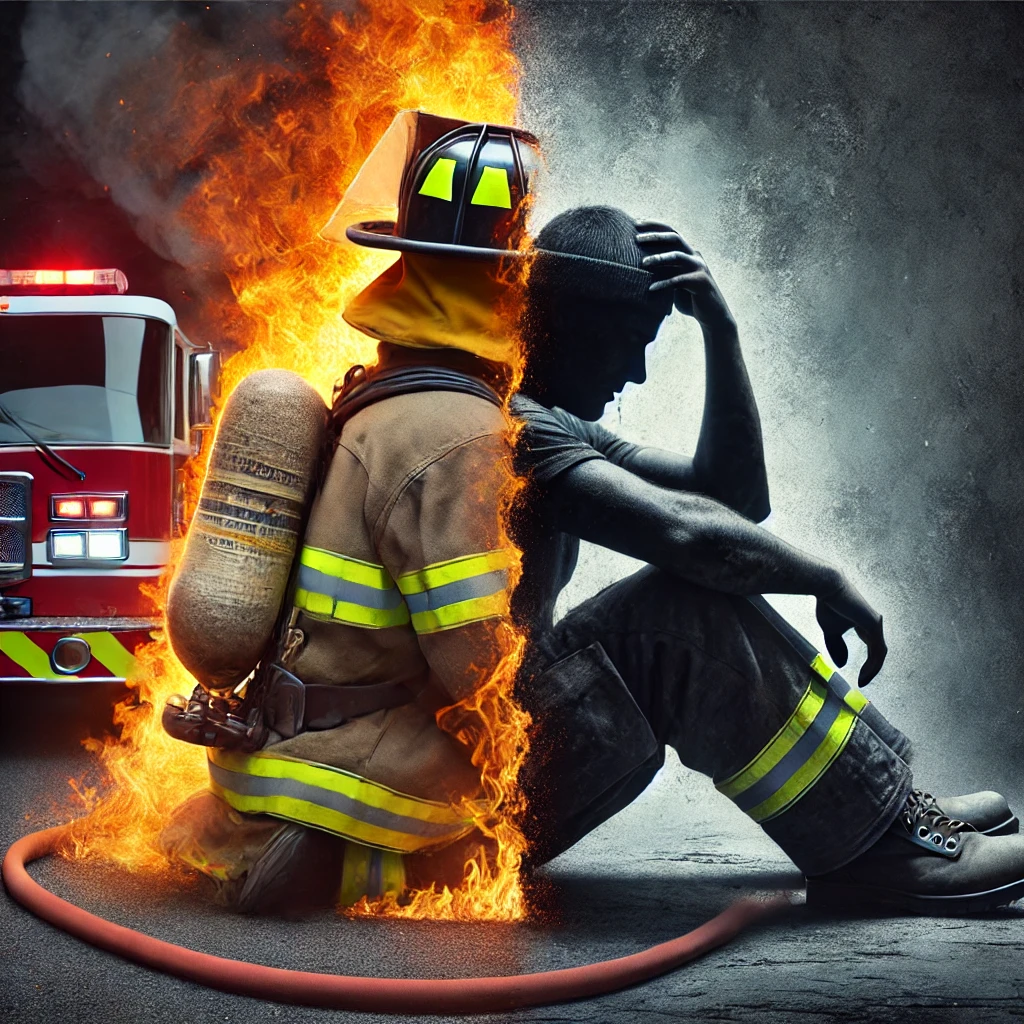
The profession of firefighting is not only physically demanding but also emotionally taxing. Firefighters frequently encounter traumatic events, such as responding to blazing infernos, rescuing individuals from perilous situations, and dealing with loss and devastation. These experiences can lead to heightened levels of stress, anxiety, and potentially overwhelming mental health challenges. The distinct nature of the work performed by firefighters contributes to the unique mental health landscape within their community.
Mental health issues, such as post-traumatic stress disorder (PTSD), depression, and anxiety, are prevalent among firefighters yet often go unaddressed. The stigma surrounding mental health may discourage these first responders from seeking help, as they might fear being perceived as weak or unfit for their roles. However, it is vital to recognize that mental health is equally as important as physical health in ensuring not only the well-being of firefighters but also their operational effectiveness.
Proactive mental health check-ins can play a crucial role in combating this stigma. Regular conversations and assessments concerning mental well-being can create a supportive environment within fire departments. Such initiatives emphasize the importance of mental health awareness, allowing firefighters to express their feelings and concerns without fear of judgment. By fostering open dialogue, fire departments can empower their personnel to seek help when needed, ultimately leading to healthier coping mechanisms and improved overall morale.
As we delve deeper into the implications of mental health within the firefighting community, it becomes evident that prioritizing mental health check-ins is essential for fostering resilience and well-being among these brave individuals. Understanding and addressing the unique challenges faced by firefighters sets the foundation for developing effective support systems and interventions.
Key Insights from the Article
The mental health of firefighters is a critical issue that deserves careful consideration and attention. Firefighting is inherently stressful, exposing individuals to traumatic events that can lead to significant mental health challenges. The article outlines key warning signs that may indicate a firefighter is struggling with their mental well-being. These warning signs include persistent feelings of sadness, withdrawal from social interactions, changes in sleep or appetite, and increased irritability. Recognizing these symptoms can be the first step toward addressing mental health concerns.
Moreover, the article emphasizes the importance of self-assessment as a tool for maintaining mental wellness. Firefighters are encouraged to engage in regular check-ins with themselves, reflecting on their emotional state, stress levels, and coping mechanisms. This practice can help identify early indicators of distress, allowing for timely intervention. The discussion highlights that self-assessment is not a replacement for professional help but rather a complementary strategy that aids in maintaining mental health.
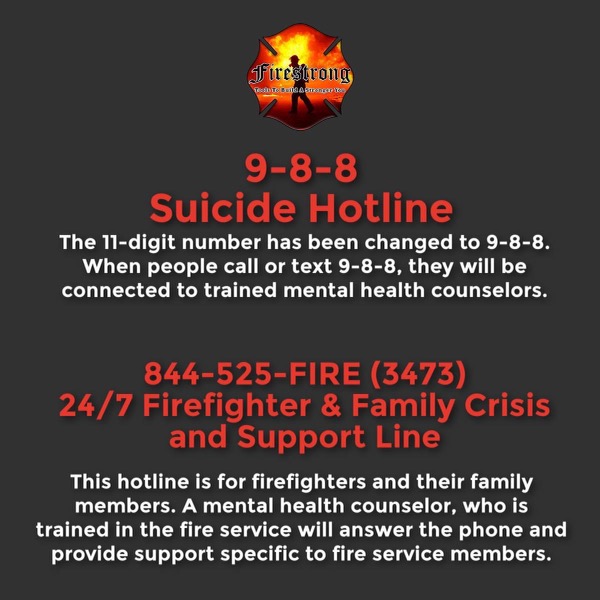
Seeking help is a paramount aspect of promoting mental health among firefighters. The article outlines various avenues for support, including peer support programs, mental health professionals, and hotlines specifically designed for first responders. Accessing these resources can provide critical support during difficult periods, enabling firefighters to navigate the emotional toll of their vocation. Encouraging a culture that views seeking help as a strength rather than a weakness is essential in promoting overall mental wellness in the firefighting community.
In summary, recognizing warning signs, engaging in self-assessment, and actively seeking help are key components in addressing the mental health challenges that firefighters may face. By fostering awareness and encouraging open dialogue, we can work towards a healthier, more resilient firefighting workforce.
The Role of Mental Health Check-Ins
Mental health check-ins play a pivotal role in the overall wellbeing of firefighters, a profession characterized by high stress and exposure to traumatic events. Regular mental health evaluations serve as a proactive measure, enabling early identification of potential psychological issues. Firefighters often face unique challenges, including exposure to life-threatening situations and the emotional toll stemming from witnessing traumatic incidents. These factors can lead to conditions such as PTSD, anxiety, and depression, which, when left unaddressed, can severely impact their personal and professional lives.
Implementing structured mental health check-ins can foster a culture of openness and support within fire departments. When organizations promote regular mental health assessments, they demonstrate a commitment to their personnel’s emotional wellbeing. This approach not only helps in spotting early signs of distress but also encourages firefighters to seek help without stigma. Such a culture allows for more candid discussions about mental health, reducing the barriers for individuals to express their concerns and seek assistance.
In addition, mental health check-ins can facilitate the development of coping strategies tailored to the specific stresses faced in this line of work. These evaluations can also provide valuable insights for department leadership on trends that may arise within their teams, leading to improved training programs and support systems. Effectively addressing mental health concerns in this manner can significantly enhance team cohesion and performance, thereby contributing to a safer working environment.
In conclusion, regular mental health check-ins serve as a critical component in safeguarding the mental wellbeing of firefighters. By identifying potential issues early and fostering a collaborative atmosphere, these check-ins are essential for promoting resilience and ensuring that firefighters can effectively manage the demands of their vital roles.
Conclusion and Call to Action
In summation, mental health check-ins are crucial for firefighters, who often face traumatic and high-stress situations that can significantly impact their psychological well-being. Regularly evaluating mental health provides an opportunity to recognize stressors, address emotional challenges, and promote resilience. Mental health check-ins not only facilitate personal awareness but also foster a supportive environment within firefighting teams, encouraging individuals to prioritize their mental wellness and reach out when assistance is needed.
Moreover, it is essential for the firefighting community to understand that seeking help is a sign of strength, not weakness. Mental health issues, if left unaddressed, can lead to severe consequences, impacting not only the individual firefighter but also their colleagues and families. Therefore, it is imperative that members of this community engage in regular mental health assessments and take advantage of available resources.
For those interested in exploring more about the significance of mental health check-ins, we encourage you to access the linked article. This resource provides further insights into strategies for maintaining mental well-being and the support mechanisms available to firefighters. Prioritizing mental health is not merely beneficial; it is essential for the holistic well-being of every individual within the firefighting profession. Consider taking the proactive step of initiating family conversations, participating in support groups, or consulting with a professional. You deserve a strong and supportive mental health foundation that enables you to perform your crucial duties effectively and healthily.